

Meta has launched two new AI models, Muse Wonder and Muse Wonder Full, and the company calls them its most capable models so far. If you have seen the headlines and wondered what they actually are, whether you can try them, and what they cost, this guide explains it in plain English.
Short version: they are built mainly for “agentic” work, meaning the AI takes on multi-step tasks such as reading documents, coding and managing finances, rather than just chatting. Access is a bit unusual, though. One model is available to developers through an API, while the other is limited to subscribers of Meta’s coding product. We have flagged where reports differ or where details are not confirmed.
Quick Summary
- What they are: Two new Meta AI models, Muse Wonder and the larger-tier Muse Wonder Full, aimed at personal and professional agentic tasks.
- Launch: Reports date the launch to around 12-13 October 2026 (sources differ by a day).
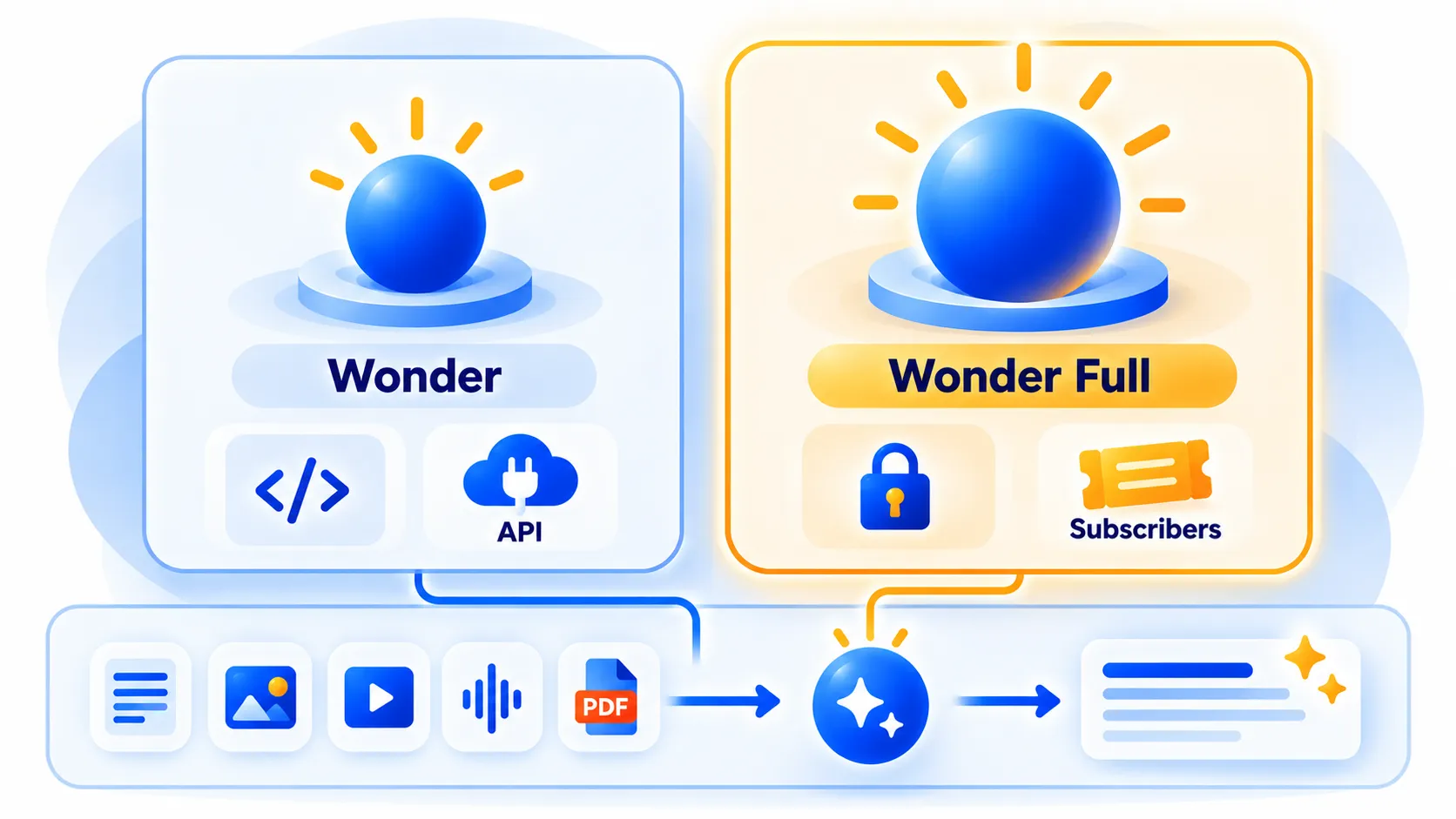
- Muse Wonder: Available through the Meta Model API and Muse Code. Reported API price: $4 per million input tokens and $20 per million output tokens.
- Muse Wonder Full: No public API. Limited to Muse Code subscribers.
- Shared specs (per reports): 1 million token context window; accepts text, images, video, audio and PDFs; text-only output.
- Everyday users: Meta says Wonder will come to more of the Muse app, starting with subscribers. No broad date has been given.
Note: These details come from the company’s own announcements and have not been independently verified by Next DigiTech.
What Are Muse Wonder and Muse Wonder Full?
Muse is the name Meta uses for its newer family of AI models and the personal AI agent built on them. According to press coverage, Muse Wonder and Muse Wonder Full follow Muse Spark (released earlier in the year) and a Muse personal AI agent that arrived in September. Meta describes the new pair as its most capable models to date, built for “personal and professional agentic tasks”.
“Agentic” is just a fancy word for an AI that can plan, use tools and keep going through several steps to finish a job. Reported examples include dealing with insurance claims, reading a lease, managing finances and coding, with Meta highlighting strength in areas such as law, finance, health and coding.
The reports we reviewed name no capability difference between the two models beyond access. In other words, Muse Wonder Full is the higher-tier model and it is harder to get hold of, but we could not confirm a detailed spec comparison from Meta. Benchmark figures (below) suggest Wonder Full scores higher.
Key Features Meta Highlights
Active Memory
Active Memory is designed to carry relevant context across conversations, so you do not have to explain the same background each time. As with any memory feature, check what is stored and how to switch it off.
Active Focus
Active Focus is meant to help the model stay on hard, multi-step tasks. Meta says it tries other approaches when something fails, recovers from errors, and checks in with you before important actions. That last point matters for agents that can act on your behalf.
Long context and many input types
Reports say both models handle a 1 million token context window and accept text, images, video, audio and PDFs, but produce text only. In practice, that means you could feed in a long contract or a big codebase and ask questions, though you will not get images or audio back.
Safety claims
Meta says the models have its strongest safeguards yet against chemical, biological, radiological, nuclear and cyber misuse. Reports also say a fuller safety evaluation report is expected later. Treat these as company claims until independent reviews appear.
Note: Features and policies may vary by plan, region and app version, and can change at any time. Check the official help center for the latest information.
Where Can You Use Them?
| Model | Where (per reports) | Who it suits |
|---|---|---|
| Muse Wonder | Meta Model API and Muse Code; reportedly also on OpenRouter | Developers and builders |
| Muse Wonder Full | Muse Code subscribers only; no public API | Paying Muse Code users |
Meta also says Muse Wonder will gradually power more of the Muse app, starting with subscribers, and that it will later be used to build specialised models for all Muse users. We found no confirmed date for that wider rollout.
Note: Release dates and rollout timing can change. Please confirm the latest details on the official website or help center.
Pricing and Access
Pricing is where reports are patchy, so here is what we could and could not confirm:
- Muse Wonder API: Multiple outlets report $4 per million input tokens and $20 per million output tokens. One report notes this matches the price of Claude Opus 5.5.
- Muse Wonder Full: No API price, because there is no public API.
- Muse Code plans: One report says Wonder Full is available on the $50 per month Power and $200 per month Maximum plans. Other reports give no plan prices, so treat this as reported but not confirmed.
- Comparison: Another report says the pair is cheaper than the most advanced Anthropic models but more expensive than GPT-6 Astra and Gemini 4 Argon, without giving figures.
If you are not a developer, “per million tokens” pricing may look odd. A token is roughly a short word or word fragment, so a million tokens is a very large amount of text. Casual use is unlikely to cost much through an API, but heavy agent workflows can add up quickly.
Note: Prices are based on official announcements at the time of writing and may vary by country, retailer, taxes and promotions. Always check the latest pricing on the official website before buying.
How Do the Benchmarks Look?
Coverage leans on the Artificial Analysis Intelligence Index, a third-party composite score. Reported figures:
- Muse Wonder Full: 56
- Muse Wonder: 52
- Claude Opus 5.5: 58 (the only model reported above Wonder Full)
One report says Wonder Full ties Claude Sonnet 5.5 at 56 and sits ahead of GPT-6 Astra, Gemini 4 Argon and Claude Fable 5.1 (53 each). The same report says Wonder Full scored 57.5 on SWE-Marathon, a long-running coding test, versus 46.3 for Claude Opus 5.5, while Opus 5.5 and GPT-6 Astra both beat it on Terminal-Bench 4.0. Another report says Wonder improved Terminal-Bench 4.0 from 33% to 52% versus Muse Spark 1.3.
Benchmarks depend heavily on test conditions, and some figures come from Meta’s own testing, so they are a guide rather than proof of how the model feels day to day. Meta also claimed zero agentic misalignment in its own tests, which we cannot verify.
Note: These details come from the company’s own announcements and have not been independently verified by Next DigiTech.
How to Try Muse Wonder
If you are a developer
- Go to Meta’s developer pages and look for the Meta Model API.
- Create an account and generate an API key.
- Select Muse Wonder as the model and set a spending limit before you start.
- Test with a small task, such as summarising a long document, and check the token usage.
If you are not a developer
You will probably need to wait. Meta says Wonder will reach more of the Muse app first for subscribers. Check the Muse app or Meta’s help centre for updates, and be wary of sites claiming to offer “free Muse Wonder access”, as none has been confirmed.
Who Should Care?
- Developers: The API price and 1 million token context make Muse Wonder worth testing against other frontier models.
- Coders on subscriptions: Muse Code subscribers get access to the larger Wonder Full model.
- Everyday users: Not much changes today. Watch for the Muse app rollout and read privacy settings before enabling memory features.
Frequently Asked Questions
What is Meta Muse Wonder?
It is a new Meta AI model designed for personal and professional agentic tasks such as coding, document work and finance-style tasks. It is available to developers through the Meta Model API and Muse Code.
What is the difference between Muse Wonder and Muse Wonder Full?
Reports describe Wonder Full as the higher-scoring tier, available only to Muse Code subscribers, while Muse Wonder is open to developers via the API. Reports do not list detailed spec differences, so we cannot confirm more.
Is Muse Wonder free?
Not through the API. The reported price is $4 per million input tokens and $20 per million output tokens. We found no confirmed free tier.
Can I use Muse Wonder in the Meta AI app?
Not yet, as far as reports show. Meta says Wonder will soon power more of the Muse app, starting with subscribers, but no broad date has been confirmed.
Is Muse Wonder better than Claude or GPT-6?
It depends on the task. Reported benchmark scores place Wonder Full just below Claude Opus 5.5 overall, ahead on some coding tests and behind on others. Real-world results vary, so test it on your own work.
The Bottom Line
Muse Wonder and Muse Wonder Full show Meta pushing hard into frontier AI for agent-style work. For developers, Muse Wonder is the accessible option today, with reported pricing in line with premium rivals. For everyone else, the big question is when the models arrive in the Muse app. Until Meta confirms the details, treat prices, plan tiers and rollout timing as subject to change, and check Meta’s official pages before paying for anything.
Related Guides
- What Is GPT-6? ChatGPT’s New Model Explained (Sol vs Luna, and What Free Users Get)
- Gemini 4 Argon Is Here: What’s New, Who Gets It and What It Costs
- What Are AI Agents? A Plain-English Guide for Everyday Users
- How to Turn Off Meta AI on WhatsApp, Instagram and Facebook (2026)
Explore more in our AI Tools hub.
Disclaimer: This article is for general information only and is based on details available at the time of writing. Prices, plans, features, release dates, policies and availability can change at any time and may vary by country. Please verify the latest information on the official website of the company or product mentioned before making any decision or purchase. Next DigiTech is an independent website and is not affiliated with or endorsed by the companies mentioned; all trademarks belong to their respective owners. We are not responsible for any loss or decisions made based on this content.