
Streaming was supposed to be the cheap alternative to cable. In 2026, it does not feel that way. Several big services raised their prices again this year, a trend people now call streamflation. If your monthly bill has crept up without you noticing, a quick audit can save you a surprising amount of money.
Quick answer: List every subscription from your bank or card statement, mark what you actually used in the last 30 days, cancel the rest, switch to cheaper ad-supported or lite tiers where possible, and rotate services month to month instead of paying for all of them at once.
Note: prices vary by country and plan and change often; confirm in each app.
Which services raised prices in 2026
In the US, reported increases this year include:
- YouTube Premium: higher prices for individual, student and Premium Lite plans.
- Spotify Premium: the individual plan went up by about a dollar a month.
- Paramount+: both the Essential and Premium tiers became more expensive.
- Netflix: another round of increases, with exact prices depending on plan and region.
Small increases add up. Three or four extra dollars on several services can easily mean more than $100 a year.
A 15-minute subscription audit
- List every subscription. Check your bank and card statements for the last two months. Also look at App Store and Google Play subscriptions on your phone.
- Mark what you used in the last 30 days.
- Cancel anything unused. You usually keep access until the end of the billing period.
- Downgrade where you can. Ad-supported and “lite” tiers can cost much less.
- Check annual plans for services you use all year. They are often cheaper per month.
- Look for bundles through your phone carrier, internet provider or other memberships you already pay for.
On iPhone, you can see app subscriptions in Settings > your name > Subscriptions. On Android, open Google Play > Payments and subscriptions > Subscriptions.
Rotate, don’t stack
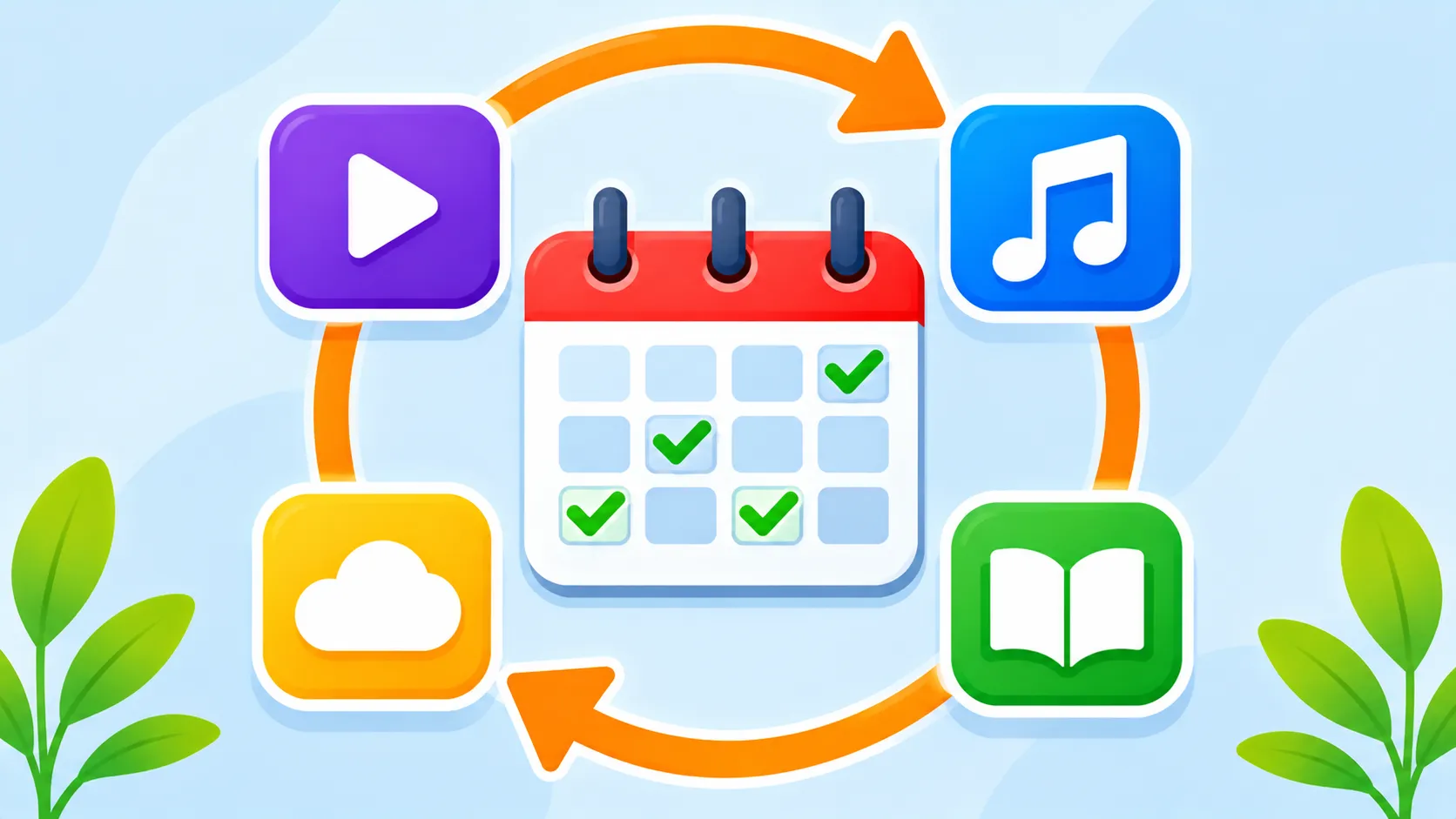
Instead of paying for five services every month, subscribe to one or two at a time. Watch the shows you want, cancel, then move to the next service. Here is an example plan:
| Month | Subscribe to | Why |
|---|---|---|
| January | Service A | Catch up on a new season |
| February | Service B | Watch a new film release |
| March | Service C | Live sports season |
| April | Service A again | Next big release |
Set a calendar reminder a few days before each renewal date so you do not get charged by surprise.
More ways to save
- Share where allowed. Family plans are often cheaper per person, but follow each service’s household rules.
- Use free, legal options. Many TVs and apps offer free ad-supported channels.
- Watch for retention offers. Some apps now show a discount when you try to cancel.
- Avoid scams. Fake “your subscription has expired” emails are common. See our guide to spotting phishing emails.
If you are thinking about new streaming hardware, read our guide to the new Apple TV 4K. The FTC’s consumer advice site also has tips on managing subscriptions and recurring charges.
The bottom line
Streaming prices will probably keep rising, but you do not have to pay for everything at once. Audit your subscriptions, cancel what you do not use, choose cheaper tiers and rotate services month to month.
Frequently asked questions
What is streamflation?
It is a nickname for the steady rise in streaming subscription prices over the past few years.
Will I lose my shows if I cancel?
You lose access after the billing period ends, but your profile and watch history are usually saved if you come back later.
Are ad-supported plans worth it?
For many people, yes. They cost less, and the ads are often short. Try one for a month to see if it bothers you.
How often should I review my subscriptions?
Every two or three months is a good habit, and always after a price increase email.