
Black Friday and Cyber Monday are the biggest online shopping days of the year. According to Adobe Analytics, US shoppers spent about $11.8 billion online on Black Friday 2025 and $14.25 billion on Cyber Monday. Scammers follow the money, so how you pay matters just as much as where you shop.
Quick answer: For online shopping, a credit card usually protects you better than a debit card. With credit, a fraudulent charge uses the bank’s money while you dispute it. With debit, money leaves your account immediately, and getting it back can take longer. Turn on transaction alerts and use virtual card numbers where your bank offers them.
Note: protections depend on your card issuer, country and agreement.
Why credit cards usually win online
- Your own money is not at risk. A fraudulent credit card charge appears on your bill, not as cash missing from your bank account.
- Stronger legal limits (US). Federal law caps your liability for unauthorised credit card charges at $50, and most issuers offer zero liability.
- Debit liability can grow. For debit cards in the US, how much you could lose depends on how quickly you report the problem.
- Easier disputes. Credit card chargebacks are a familiar, well-tested process.
The FBI’s Internet Crime Complaint Center (IC3) has also recommended using credit cards rather than debit cards for online shopping.
Credit vs debit at a glance
| Credit card | Debit card | |
|---|---|---|
| Money at risk during fraud | Bank’s credit line | Your bank balance |
| Liability for fraud (US) | Capped at $50, often $0 | Depends on how fast you report |
| Dispute process | Chargeback, usually straightforward | Can take longer to recover funds |
| Risk of overspending | Higher if you carry a balance | Limited to your balance |
If you use a credit card, pay the full balance each month to avoid interest wiping out your Black Friday savings.
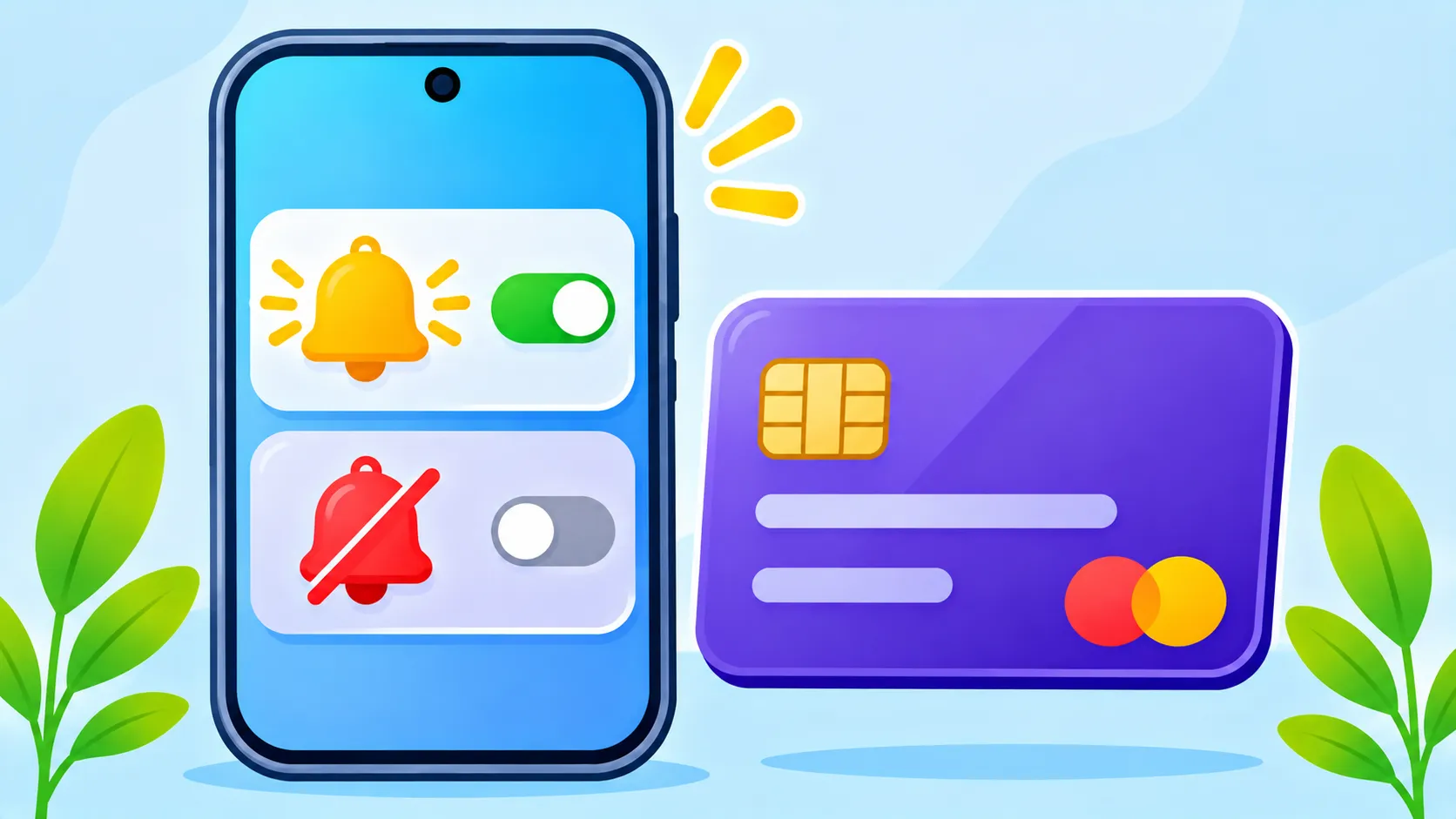
Settings to turn on before you shop
- Transaction alerts for every purchase in your banking app.
- Virtual or one-time card numbers if your bank offers them, especially for new or smaller stores.
- Two-factor authentication on your shopping and bank accounts. See how to turn on two-factor authentication.
- A low spending limit on any card you let AI shopping tools use. See our guide to AI shopping agent scams.
- Digital wallets like Apple Pay or Google Wallet, which hide your real card number from the store.
Red flags: do not pay at all
- Requests to pay by gift card, wire transfer or crypto.
- Prices far below every other store.
- A brand-new website with no contact details or returns policy.
- Payment pages that are not secure or look different from the rest of the site.
Read our guides on spotting fake Black Friday deals and checking if a price is really a deal.
If you spot a fraudulent charge
- Call your card issuer using the number on the back of your card.
- Freeze or replace the card.
- Dispute the charge in writing if asked.
- Change passwords on any shopping account that might be involved.
The bottom line
For Black Friday and Cyber Monday, pay online with a credit card or digital wallet, turn on alerts and use virtual card numbers where possible. Keep your debit card for in-person purchases and ATMs.
Frequently asked questions
Is it safer to use a credit or debit card online?
A credit card is usually safer online because fraud does not take money directly from your bank account, and liability limits are stronger.
Are Apple Pay and Google Wallet safe for Black Friday?
Yes. They use a token instead of your real card number, which adds a layer of protection.
What is a virtual card number?
It is a temporary card number linked to your real card. If a store is hacked, the virtual number can be cancelled without replacing your actual card.
Should I avoid debit cards completely?
Not completely, but it is wise to use them mainly in person and at ATMs, not on unfamiliar websites.